
Puzzle Games Explained: Logic, Physics, and Timing

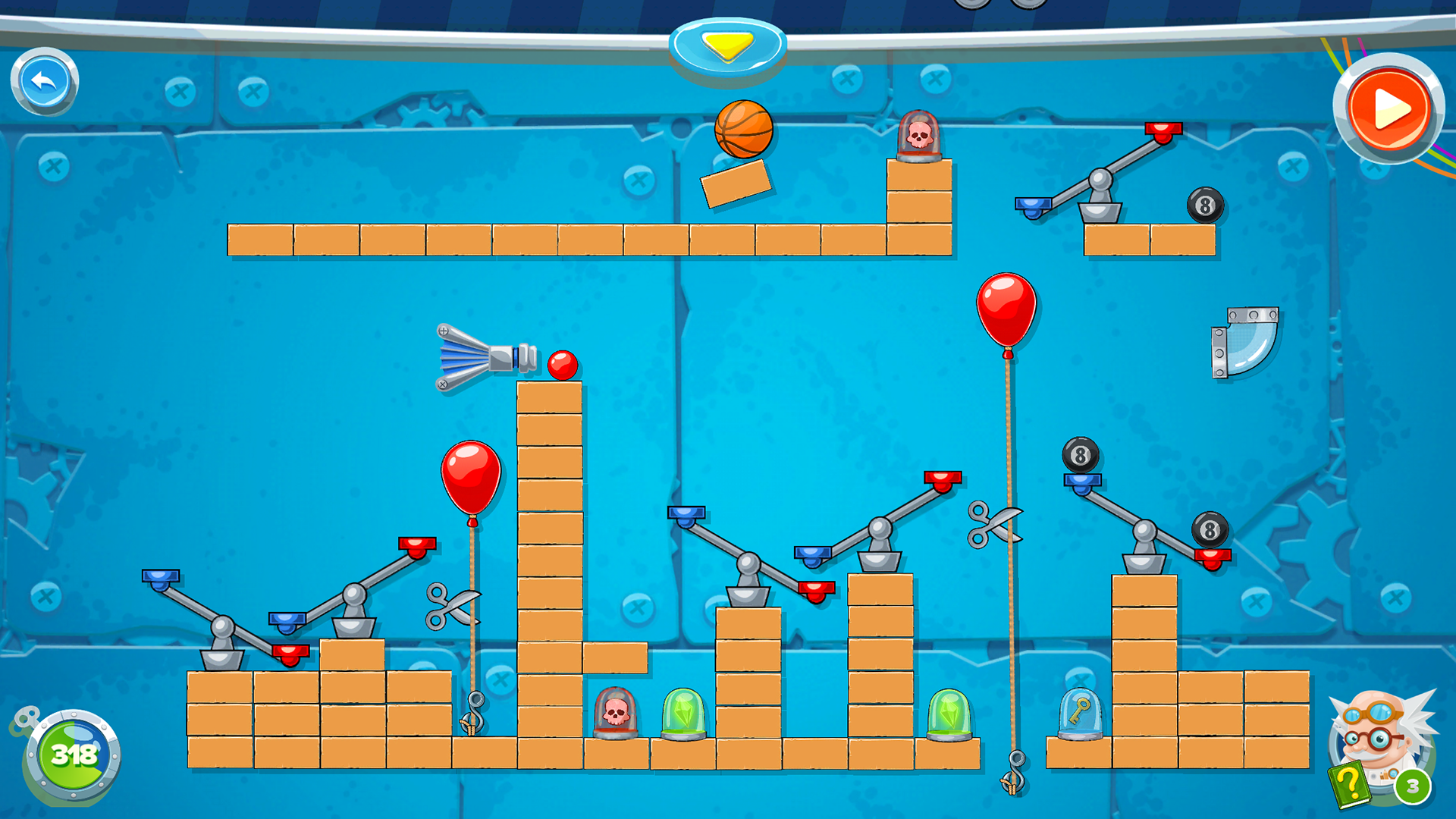
Puzzle games look simple on the surface, but their appeal runs deeper than bright colors and clever levels. At their core, great puzzle games challenge how players think, predict, and react.
Most successful puzzle games rely on three foundational pillars: logic, physics, and timing. Understanding how these elements work explains why puzzle games remain one of the most popular genres in browser gaming.
Logic: Thinking Before Movin

Logic is the backbone of classic puzzle design. These games ask players to observe patterns, evaluate rules, and plan several steps ahead.
Logical puzzle games reward:
- Pattern recognition
- Cause-and-effect reasoning
- Step-by-step problem solving
The satisfaction comes from clarity. When the solution clicks, it feels earned — not random. This is why logic-based puzzles are often timeless and replayable, even with minimal visuals.
Physics: When the World Behaves Like the Real One

Physics-based puzzles introduce motion, weight, gravity, and momentum. Objects fall, roll, swing, collide, and break according to understandable rules.
What makes physics puzzles compelling is predictable chaos. Players can experiment freely, learning the system through trial and error. A failed attempt isn’t punishment — it’s information.
In browser games, physics puzzles work especially well because they feel intuitive even without tutorials. If it looks like it should fall, it probably will.
Timing: Precision Beats Planning Alone
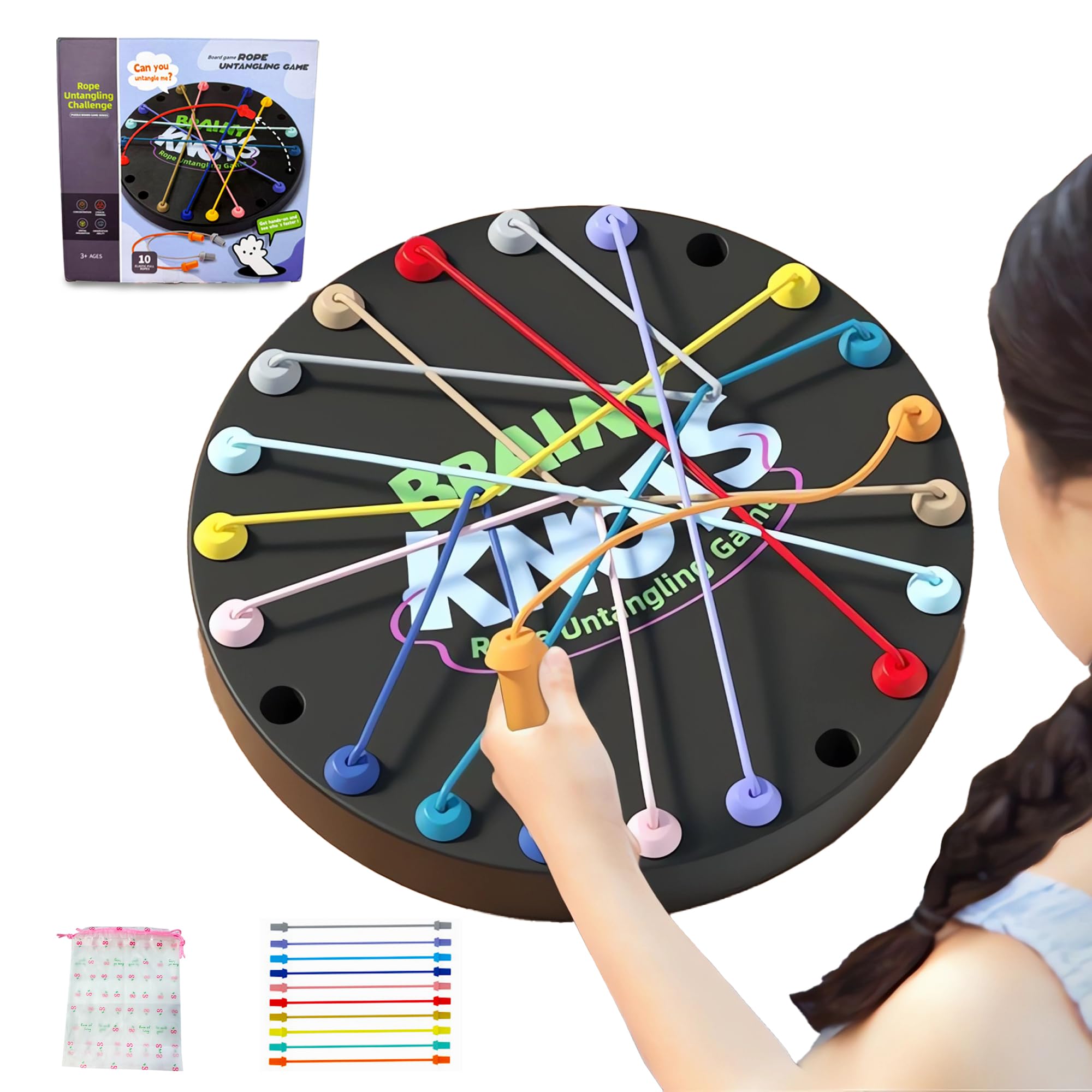
Timing-based puzzles demand action, not just thought. The solution may be obvious, but executing it requires precision.
These puzzles test:
- Reaction speed
- Rhythm and pacing
- Coordination under pressure
Timing adds tension. Miss the moment, and the puzzle resets. Get it right, and the reward feels immediate and physical. This blend of thinking and doing keeps players fully engaged.
Why Puzzle Games Thrive in Browsers

Puzzle games are a perfect match for HTML5 and browser platforms.
They load quickly, run smoothly on low-end devices, and are ideal for short play sessions. Players can jump in, solve a few levels, and leave — or stay longer if curiosity takes over.
Because puzzle mechanics are often simple to learn but hard to master, they translate well across desktop and mobile without complex controls.
The Balance That Makes a Great Puzzle Game
The best puzzle games rarely rely on only one element. They blend logic, physics, and timing in careful proportions.
Too much logic becomes dry.
Too much physics becomes messy.
Too much timing becomes stressful.
When balanced correctly, puzzle games feel fair, challenging, and deeply satisfying — the kind players remember long after closing the browser.
Puzzle Games on Play360Games
On Play360Games, puzzle games are built around clear rules, responsive controls, and smart level design. Whether a game challenges your mind, your reflexes, or your intuition, the goal is always the same: make every solution feel earned.


.png)